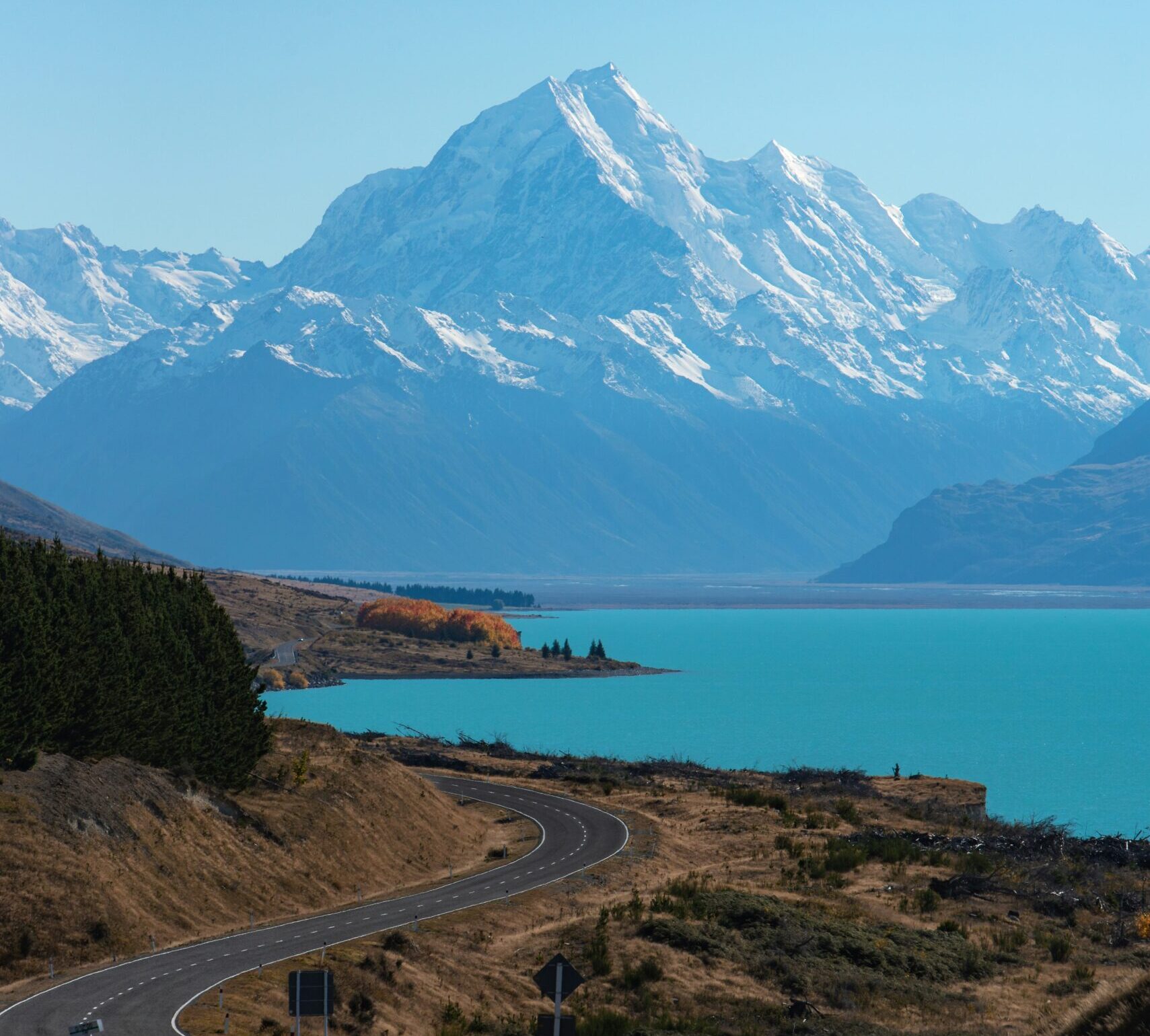
Strengthen network visibility
Create a connected, real-time view of assets, networks, and operational activity across electricity and gas infrastructure.
Next generation data management
Network models enable advanced data management tools that improve data quality and support analytics to detect patterns and reveal trends for data-driven decision-making.
Real-time communication and collaboration
Improve efficiency and provide information when it’s needed the most. Maps and apps connect staff, enabling coordination and data sharing across your organisation.
Enable digital twin technology
ArcGIS interconnects information, systems, models, and behaviors with spatial context, creating holistic digital representations of environments, assets, networks, and cities.
Data-driven decision making
Devour underutilised data with world-class analytics. ArcGIS delivers capabilities such as spatial analysis, machine learning, big data analytics, and image processing.
Explore what’s possible with GIS
GIS supports every stage of water utility operations, from network data management and field mobility to Utility Network tracing, digital twins, and 3D infrastructure analysis.

Water
Improving efficiency and reliability
Utilities need to manage assets, analyse data, and make data-driven decisions. ArcGIS empowers utilities to do this with a modern data model, out-of-the-box analytics tools, and easy-to-use maps and applications. It supports digital twins, provides data in real time, and makes sharing data across the enterprise easy. ArcGIS consumes external data, includes artificial intelligence and machine learning tools, and can increase effectiveness in every corner of the utility.
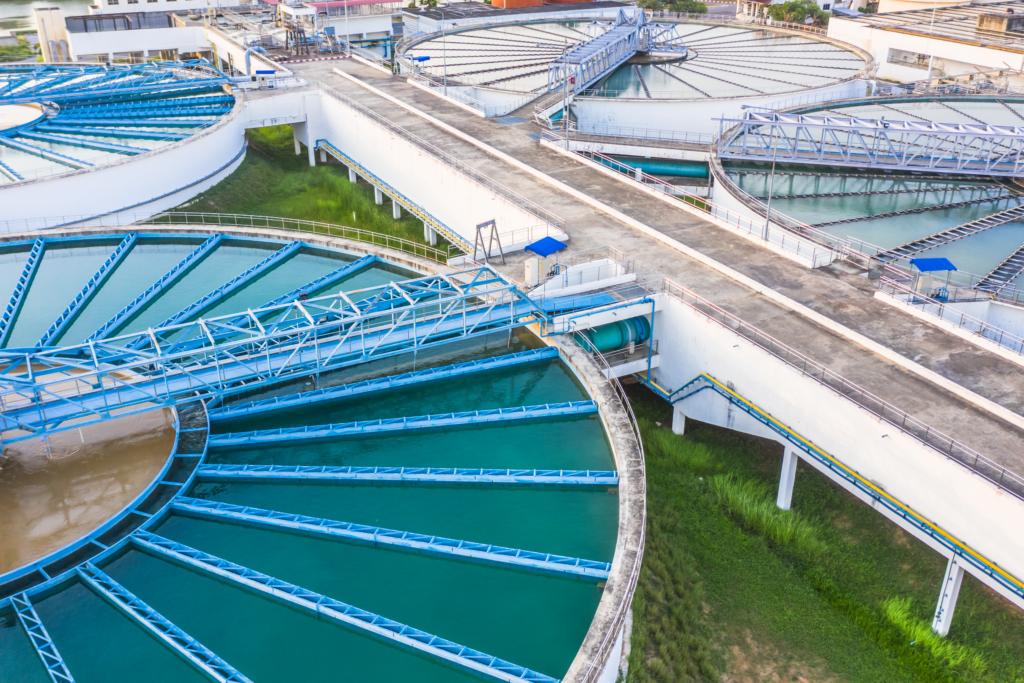
Wastewater
Promoting efficiency and innovation
ArcGIS provides sewage solutions that enable utilities to easily collect and manage infrastructure data; perform advanced analytics and visualisations; and share information across systems, improving efficiency and encouraging innovation. Understanding where your infrastructure is, what it is, and how it is networked is essential for managing and planning a sustainable future, while supporting resilience, regulatory compliance, informed decision-making, and sustainable growth.
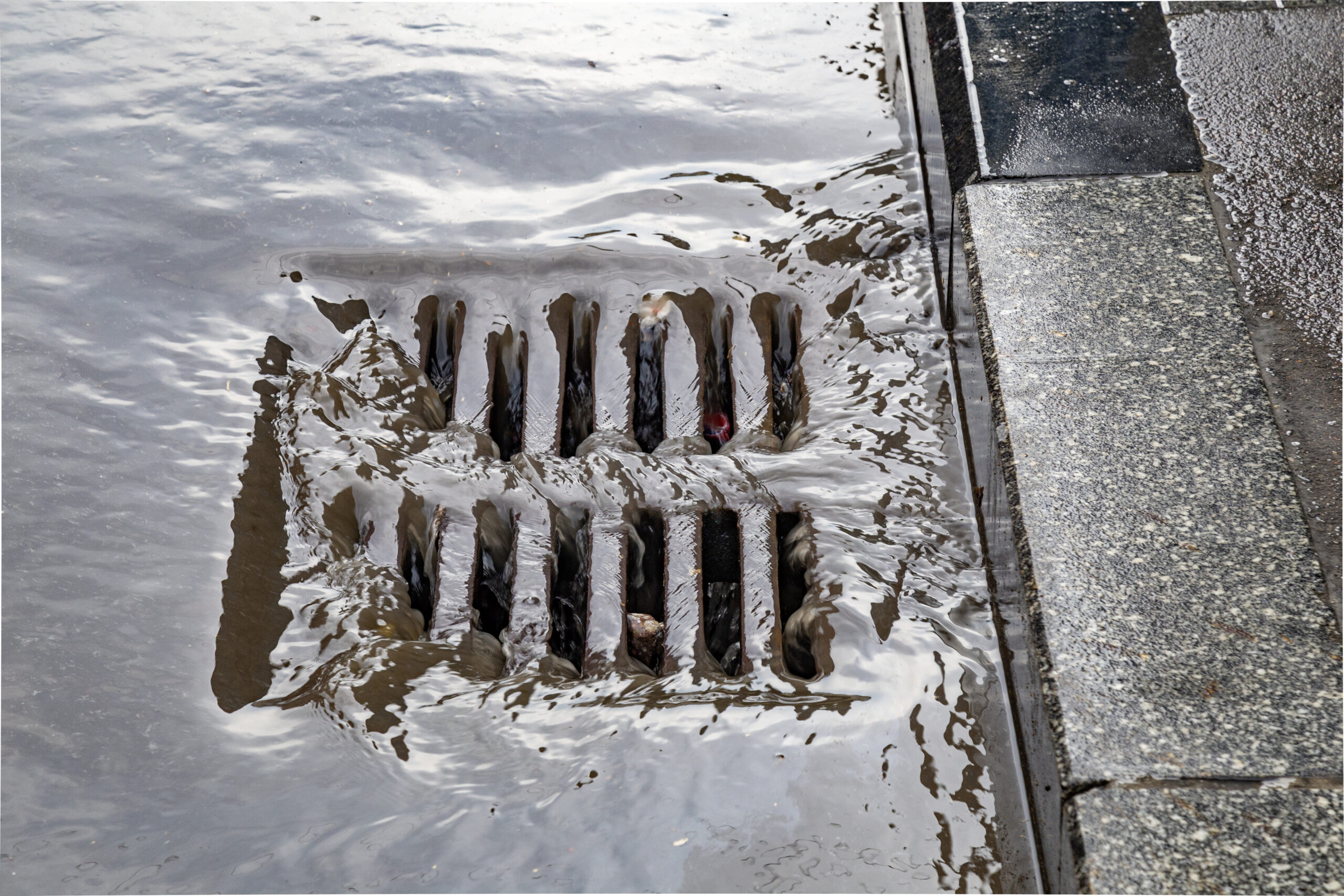
Stormwater
Easier data collection, visualisation, & analysis
ArcGIS enables efficient collection, management, and analysis of data and information critical to an effective stormwater program. Replace paperwork and manual data entry with easy-to-use maps and applications that will significantly reduce the time and cost associated with inspections. Visualise and analyse data to better understand where to focus resources to meet regulatory requirements and achieve sustainability goals.
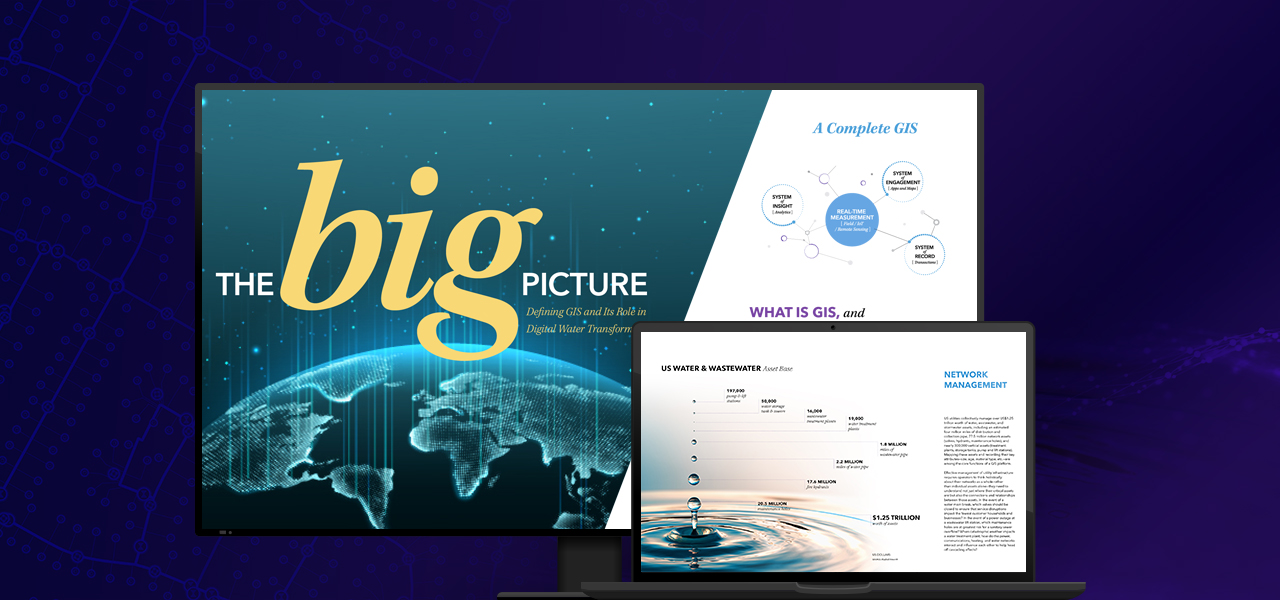
The Role of GIS in the Digital Water Transformation
Utilities’ core function is the timely, orderly movement of water flows, wastewater, and stormwater. This report, created with Bluefield Research, discusses how GIS is the foundation for digital water transformation. GIS facilitates integration, coordination, and analysis of disparate hardware and software, workers and processes, and departments and datasets across space and time.
Our approach
We combine GIS expertise, technology, and industry knowledge to help organisations make smarter decisions, strengthen operations, and create long-term business value.
A geographic approach to problem solving
Combining spatial thinking with technical GIS expertise helps organisations better connect, manage, and understand their data to support smarter planning and operational decisions.
Training and support that builds capability
Through local training, experienced support, industry events, and knowledge sharing, we help teams build confidence, become more self-sufficient, and stay connected to the wider GIS community.
Strategic partnerships
Eagle designs and implements GIS solutions that align to operational goals, integrate with existing systems, and deliver value as needs evolve over time.