The benefits of GIS for Māori organisations
GIS helps Māori organisations connect whenua, wai, people, assets, and knowledge to support kaitiakitanga, planning, and data sovereignty.
Support kaitiakitanga and planning
Bring land, water, environmental, and operational data together to support informed decisions across whenua and wai.
Protect cultural knowledge and places
Map and manage wāhi tapu, cultural landscapes, and sites of significance while controlling how sensitive information is shared.
Enable enhanced data capability
Manage trusted spatial data in one place, control access, and build internal capability to support long-term decision-making.
Strengthen environmental reporting
Monitor restoration, biodiversity, waterways, and environmental conditions with field data, maps, and reporting tools.
Explore what’s possible with GIS
GIS supports Māori organisations across cultural mapping, kaitiakitanga, field data capture, storytelling, and long-term planning by connecting people, place, knowledge, and data.

Taonga mapping
Map and protect taonga and sites
Use GIS to record, manage, and protect taonga, wāhi tapu, cultural landscapes, and areas of significance with appropriate access controls.
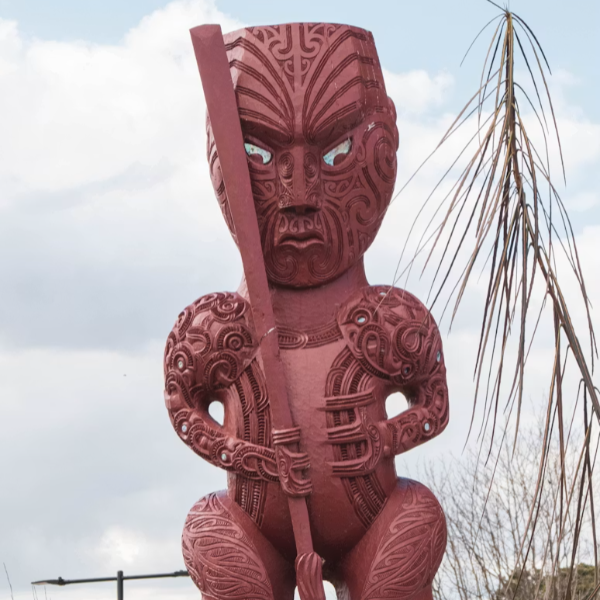
The Ahuriri marine and coastal area example shows how GIS can support the mapping and management of culturally significant places.
Storytelling
Tell meaningful stories of place
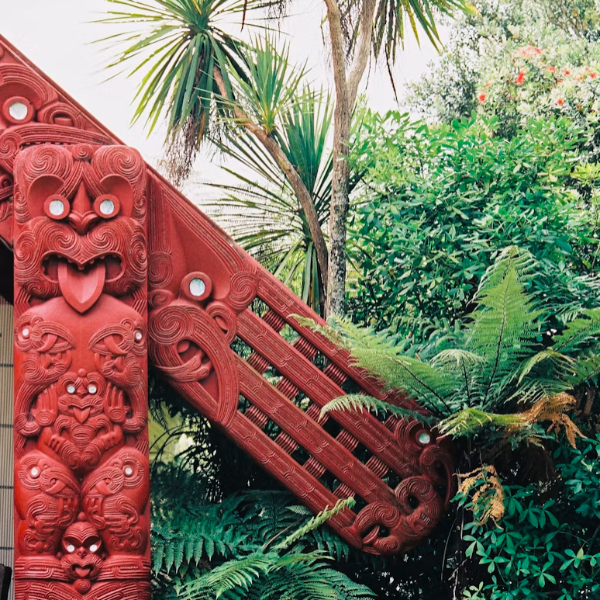
Use interactive maps and digital storytelling to share histories, relationships, environmental context, and community knowledge in a clear, engaging way.
ArcGIS StoryMaps can help Māori organisations communicate place-based knowledge while controlling what information is shared.
Kaitiakitanga
Support kaitiaki and environmental action
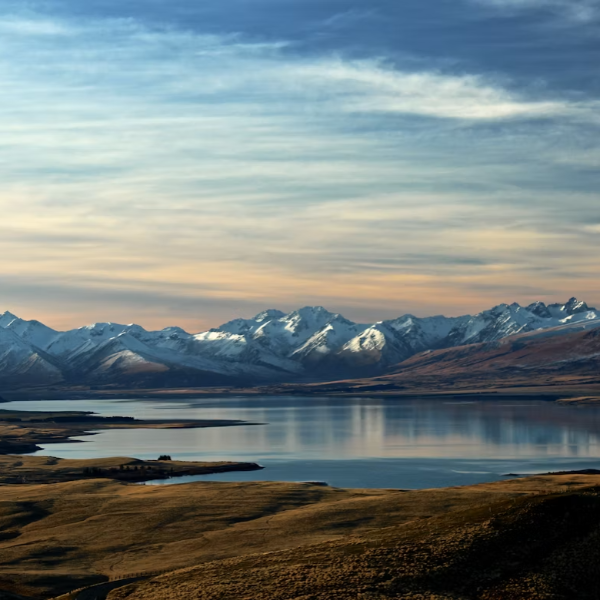
Monitor whenua, wai, biodiversity, restoration activity, and environmental change using spatial data, dashboards, and reporting tools.
GIS gives kaitiaki teams a shared view of environmental conditions, field observations, and restoration progress over time.
Field mapping
Capture knowledge and data in the field
Use mobile GIS to collect observations, photos, site information, and environmental data directly from the field, even in remote locations.
Field mapping tools help teams capture trusted information on-site and bring it back into shared planning and reporting workflows.
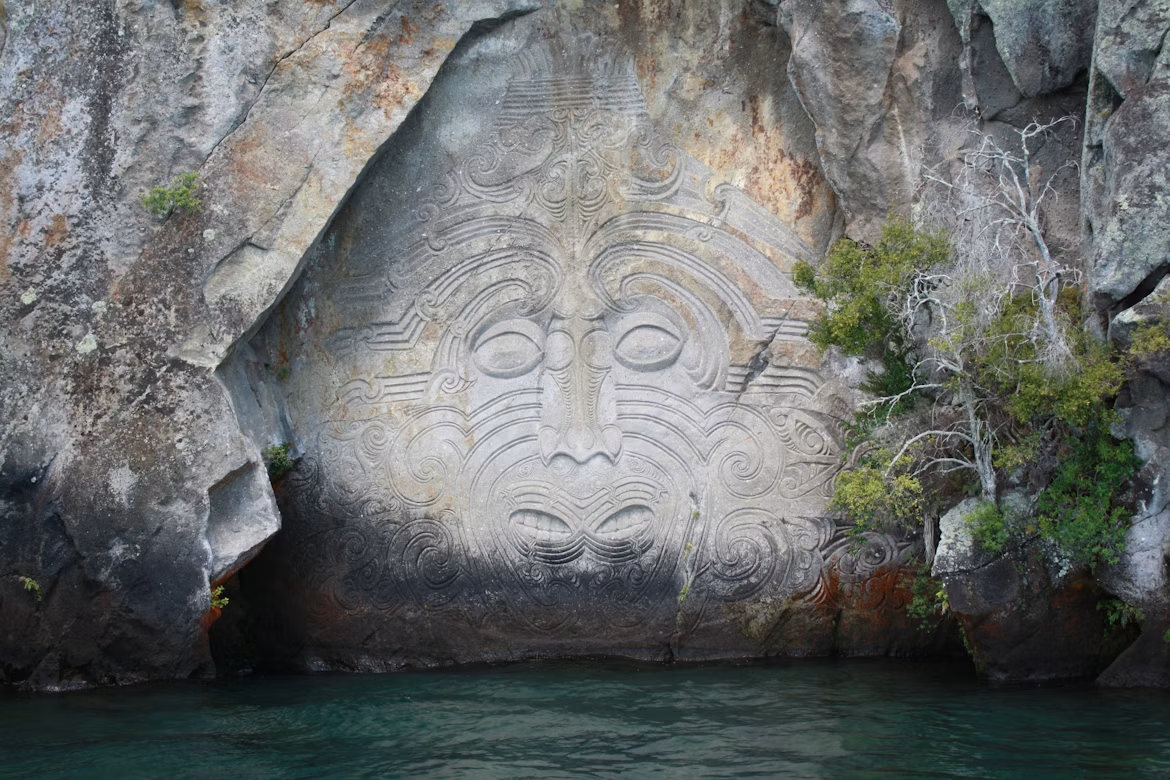
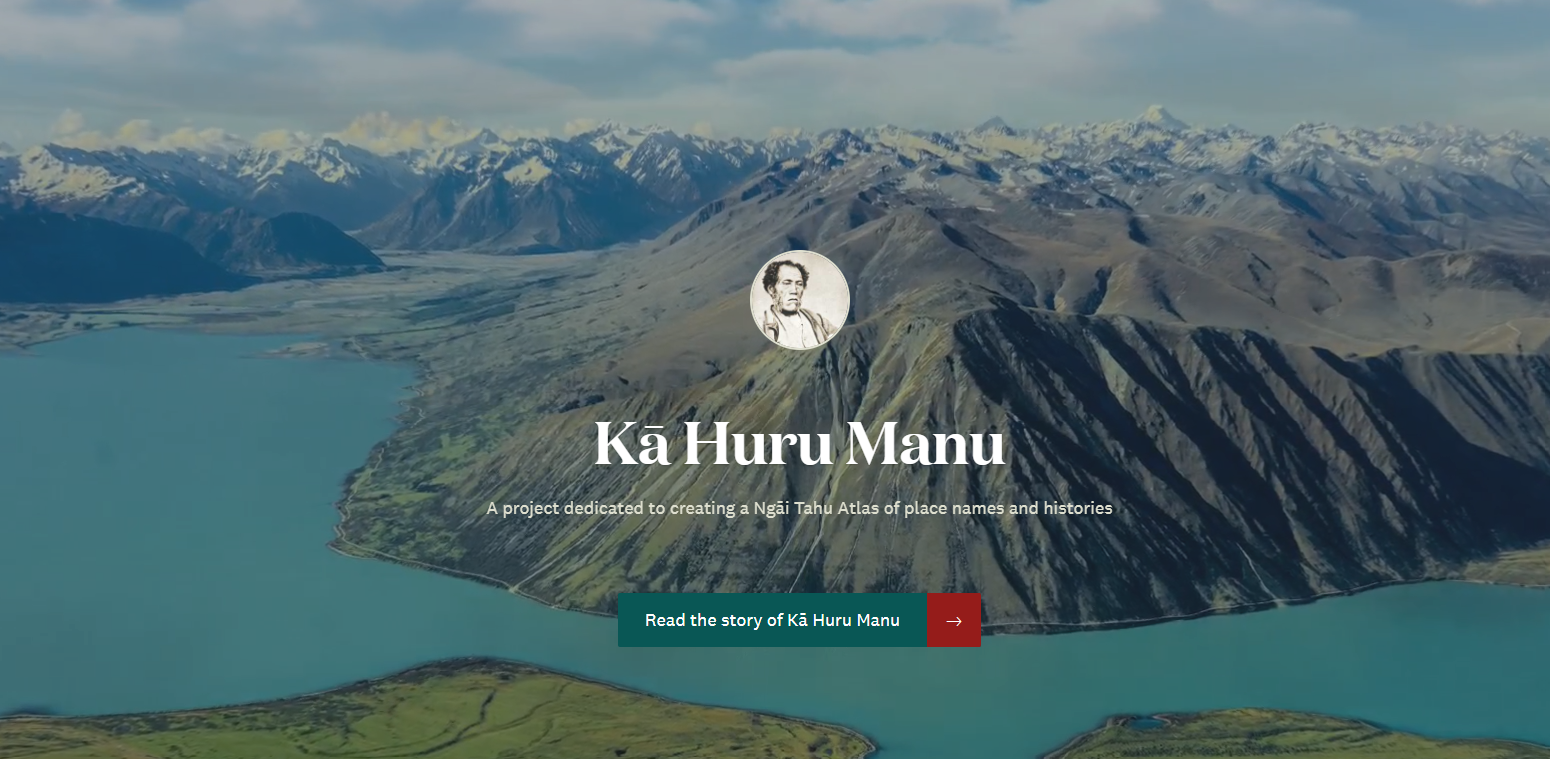
“Using the latest GIS technology to record Ngāi Tahu placemnames and stories at wānaka throughout Te Waiponamu was a crucial turning point in the development of our Ngāi Tahu digital atlas, Kā Huru Manu”
Takerei Norton, Ngāi Tahu Archive Manager
Real-world outcomes across Māori/Indigenous
See how Māori/Indigenous groups are using GIS and spatial technology to support their communities.